








Data from the National Supply Company (Conab) indicate that in 2022 Brazil
produced approximately 50.9 million bags of processed coffee, an increase of
6.7% compared to 2021. In coffee production, one of the most important
elements, and what dictates the flavor that the coffee will acquire is the roasting
process. In the roasting process, numerous volatile organic compounds are
released into the atmosphere, causing serious consequences for the
environment. Faced with this scenario, a group of researchers from Unaerp
developed a system to capture, condense and analyze these compounds
released during coffee roasting.
According to the researcher and Master in Environmental Technology, Saad
Barbar Netto, the system used for condensation “can be applied to any type of
process in which there is loss of compounds by emission”. The system, even if
it needs to be adapted to other processes, “can be directed both to the
environmental issue and to the case that what is being issued has a purpose
(value)”, completes Netto.
The system used by the researchers takes advantage of the roasting
techniques already used and couple a second system, which captures and
condenses these compounds. Once condensed, these compounds are taken
for laboratory analysis. Vapors that are not condensed are released into the
atmosphere.
From the study “Assessment of vapors and volatile organic compounds
released during industrial coffee roasting” it was possible to identify which
compounds were emitted into the atmosphere, in addition to subsequently
quantifying them. According to Netto, the use of this system for condensing
volatile organic compounds reduces the sector's impact on the environment.
With the conclusion of the research, it is necessary to create new
methodologies for taking advantage of the released compounds.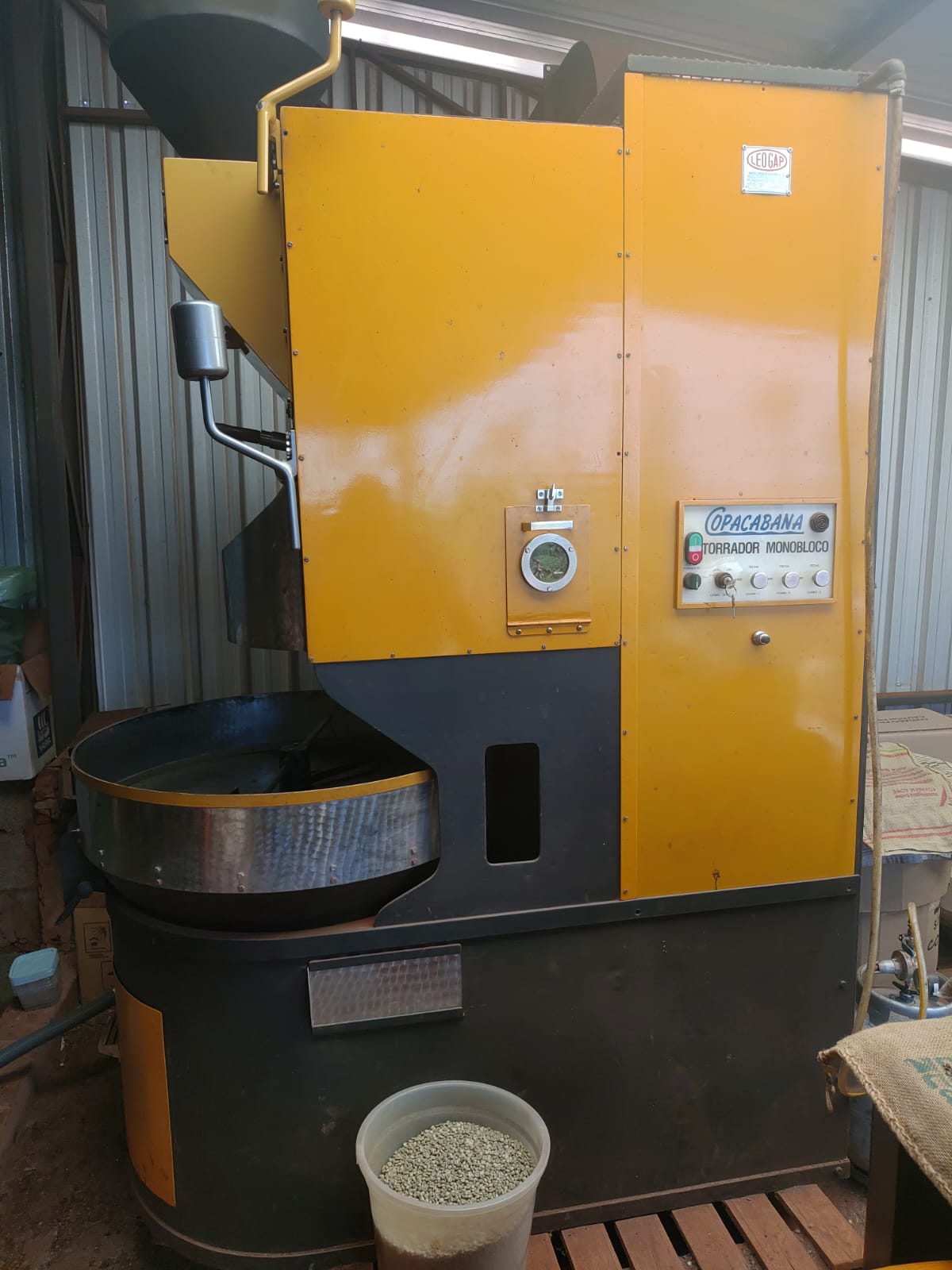
Photo 2: System can be applied to any type of process in which there is loss of
compounds by emission