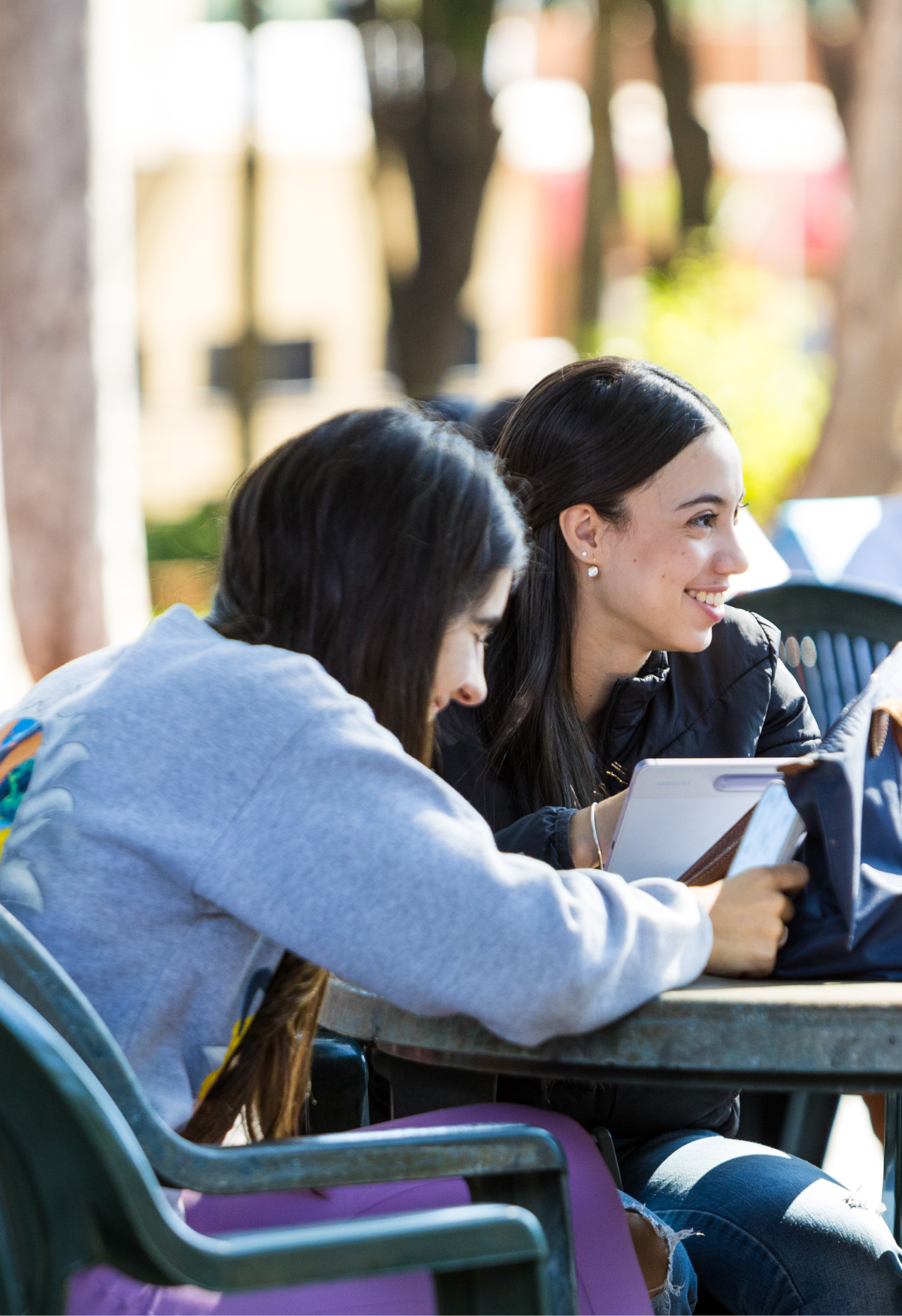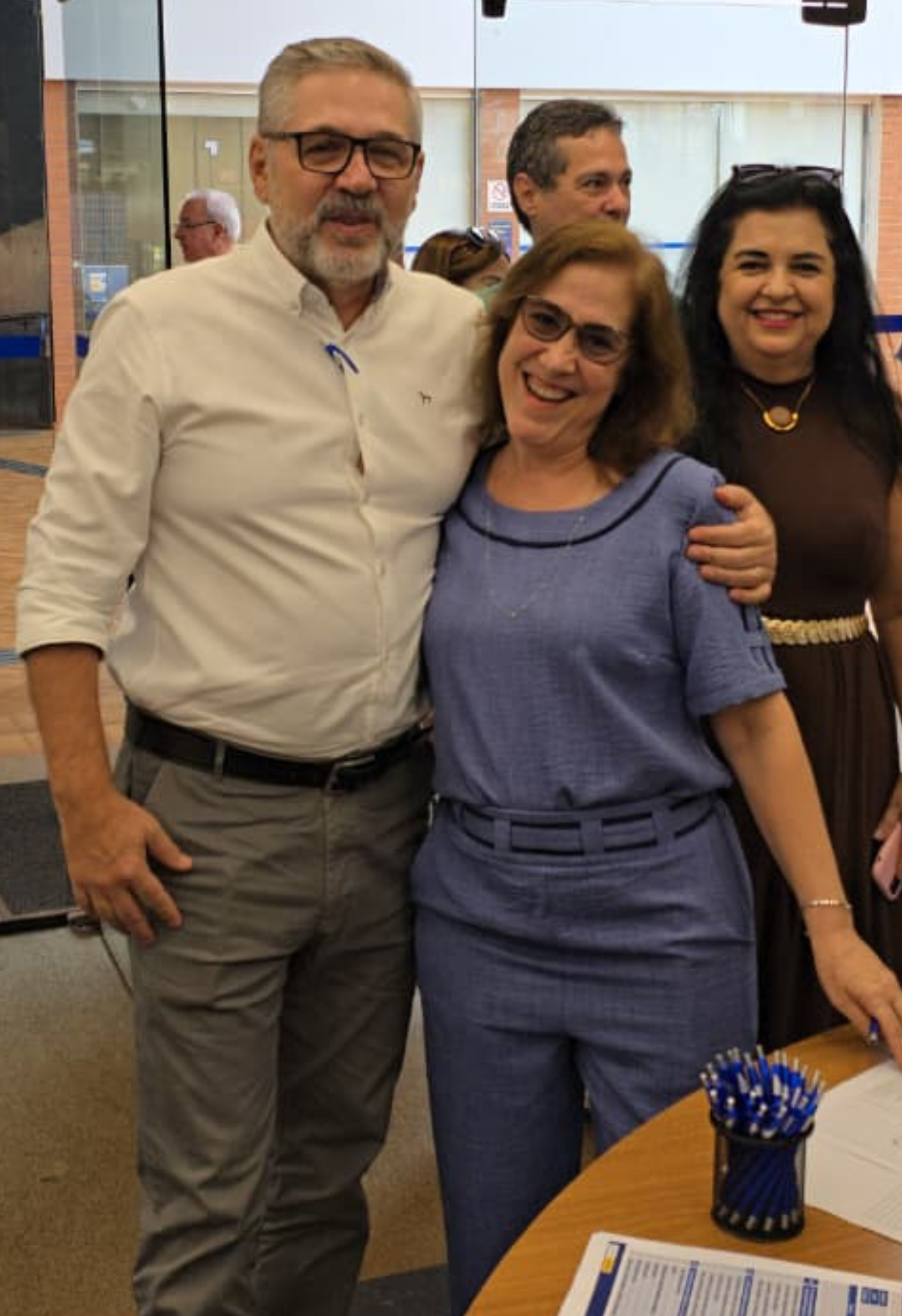












The Computer Engineering Program organized the 18th Computer Challenge, centered around the theme "Pets." Held on November 5th at the Bassano Vaccarini Theatre, the event challenged students to develop hardware and software solutions to assist in the care of dogs and cats. The Challenge featured oral presentations of the projects, followed by a voting session by students and faculty to determine the winning team.
Program coordinator Professor Otávio Marson Júnior explains that throughout the challenge, students are required to identify a problem, propose a solution, and test its feasibility. “In the job market, this makes a significant difference because students develop initiative and problem-solving skills. You can identify students who are already at a level of interest aligned with what the market needs, because the market seeks individuals who create solutions, not just those who follow instructions.”
The event's organizer, Professor Rodrigo Plotze, mentioned that this edition saw more than 20 teams registered. He also explained that the competition theme is announced at the beginning of each semester, allowing students to prepare their projects while receiving guidance from professors.
“The goal is to introduce themes that students don’t usually encounter in the classroom, particularly those aimed at solving real-world problems. The Challenges always focus on societal issues, allowing students to apply the knowledge they’ve gained throughout the course to tackle these problems,” says Plotze.
After developing their software or hardware projects, the teams present their work in a preliminary round. Six projects are then selected from all submissions to move on to the final round. “We’ve noticed that when we promote the event on social media, especially on professional networks, it receives a lot of attention. This has a positive impact not only on the course's reputation but also on Unaerp’s image,” says Júnior.
PET TRACKER – Among the projects developed were apps, smart water dispensers, and collars. The winners of the Challenge, students Vitor Ferraz Marini and Otávio Ribeiro, created an intelligent collar for dogs called Pet Tracker. This telemetry device integrates both hardware and software, allowing it to monitor the dog's temperature and heart rate, as well as provide real-time location data to a web platform where the pet owner can access a personalized dashboard displaying the pet’s data and location.
Marini, who has participated in four challenges, shared that being part of this project was rewarding, as it allowed him to gain hands-on experience in the field from the start. “I can confidently say that from my first challenge to now, I’ve made significant progress. You learn from the challenge itself, doing something different from your regular routine at university, and applying what you’ve learned.”
Ribeiro emphasized that participating in the Challenge is vital for professional development, as it pushes students to engage with real-world market scenarios. “In addition to the technical knowledge we gained during the project, we researched topics we hadn’t studied yet. We worked in teams, and it was necessary to plan and manage ideas,” he concluded.