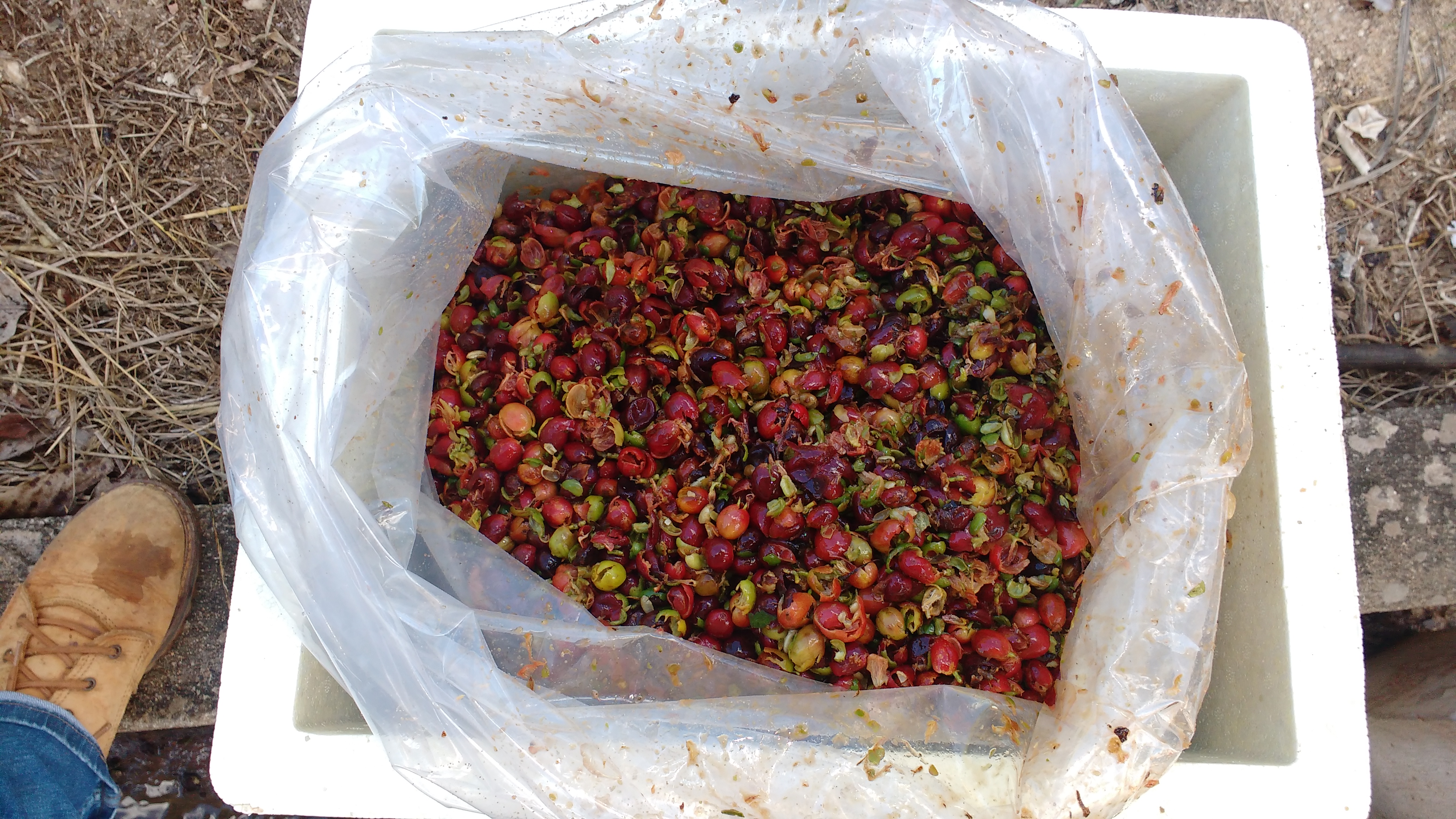








Photo 1: Study indicated which method best preserves the nutritional
characteristics of coffee husks.
According to the International Coffee Organization (ICO), Brazil is the largest
producer and exporter of coffee in the world. In 2022, grain exports broke a
record by raising just over US$ 9 billion, according to information from the
Brazilian Coffee Exporters Council (Cecafé), a growth of 46.9% compared to
the previous year. As it is an area of great interest in the region and in Brazil,
Unaerp has a line of research that seeks to delve deeper into the sector's
processes in order to propose solutions and alternatives to problems.
In 2019, chemical engineer Letícia Saviolli Murcia, under the guidance of the
University professor and coordinator of the Graduate Program in Environmental
Technology, Murilo Daniel de Mello Innocentini, developed alternatives that
would make it possible to recover elements present in coffee husks for use in
nutritional formulas.
According to Professor Innocentini, the husks removed from coffee are not
destined for any type of product that can add value, so Letícia studied samples
of coffee husks from farms in the states of São Paulo and Minas Gerais
generated from two different processes, dry and wet, to determine which of the
two methods best preserves the nutritional characteristics of the husks.
Beneficiation is the process that seeks to separate the coffee seed from the rest
of the fruit.
According to the researcher, the study confirmed that “wet coffee husks have
numerous nutritional components”, which indicates the possibility of recovering
or directly incorporating the husks into food formulations, for animals or
humans, in addition to the possibility of using them in the extraction and
purification of active principles.