










From the 19th to 21st of September, the Unaerp International Relations undergraduate program promoted the XIII International Relations Symposium. Following the themes of sustainable development and climate change, the event featured lectures by alumni, guest professors, and lawyers.
On the first day of the Symposium, alumni Thiago Brito gave the lecture “Geopolitics and Energy Resources” and lawyer Ana Cláudia Atchabahian gave the lecture “ESG and Sustainable Development – An agenda, also, for International Relations”. Following the program, on the second day of the Symposium there was a round table with the theme “Sustainability in Brazilian Cities”, in which the program professors debated with guests Brenda Izídio, superintendent of the 2030 Agenda at the São Luís/Maranhão City Hall; and Mariah Campos, member of the Paulista Institute of Creative Cities Cultural Identities (IPCCIC).
To conclude the event, on the last day, lectures “Environment and International Relations” were given by guest professor Helena Margarido, and “Sustainable paths for fashion”, with social scientist and creator of VerdeFatto sustainable fashion, Carolina Kotchetkoff.
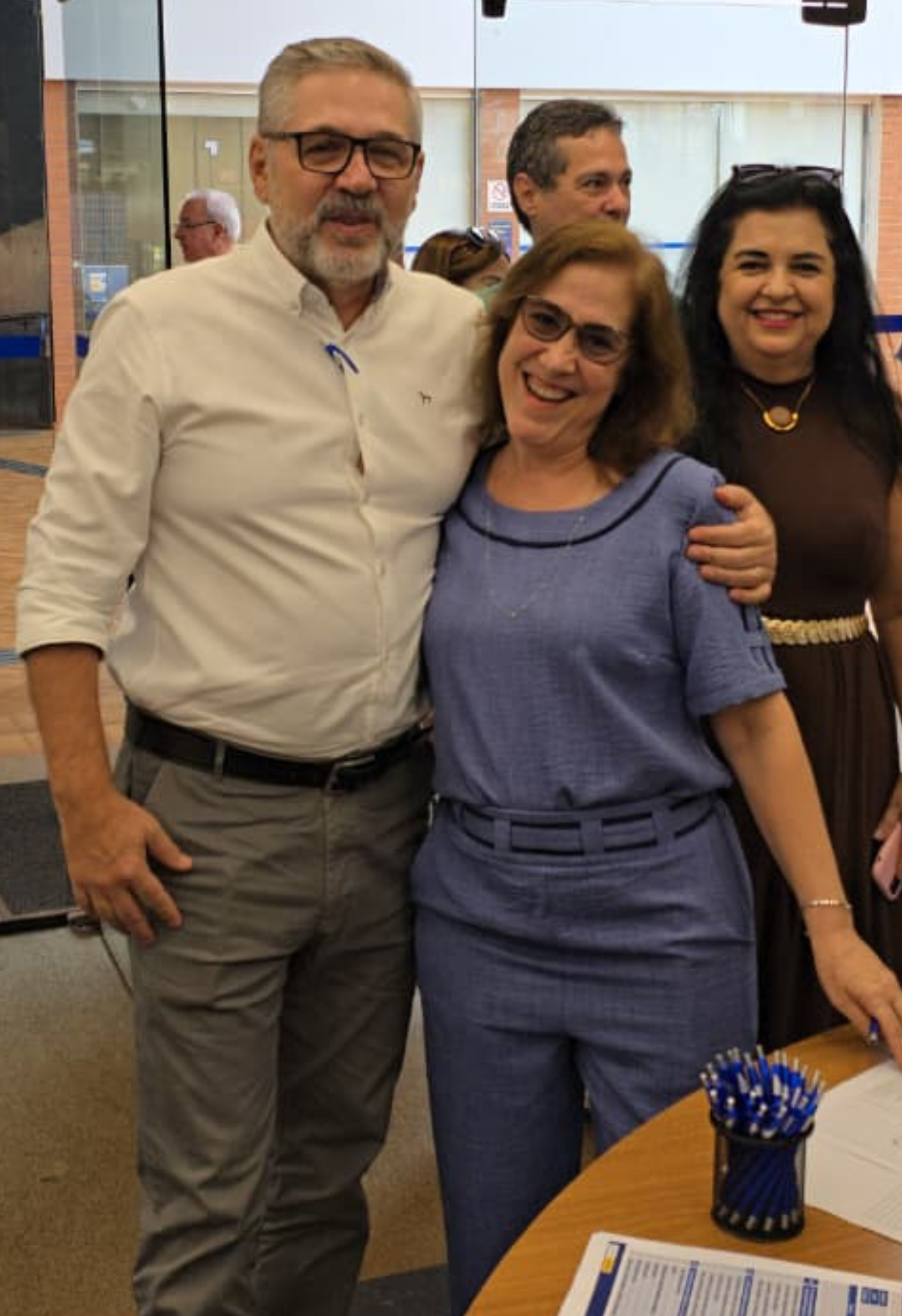
Alumni Thiago Brito gave the lecture “Geopolitics and Energy Resources”
According to the program coordinator, professor Laura Meneghim Donadelli, the theme addressed by the Symposium is important as it is “content of general importance for the world, as it is present with climate change, with the effects of these changes, the natural catastrophes that we have observed in the media, the heat waves that we feel on a daily basis. So, it is a very important topic not only for the student's life, but also for their CV in relation to topics that can be covered in research, final paper and also in the profession”
For Pedro Henrique Ramos, IR student, the Symposium is an important event as guests from outside the University bring different views on the topics. “It is essential because there are many speakers from outside, who generally come from other states, and bring totally different points of view that sometimes we do not have inside the classroom.”