







According to the last Agricultural Census of the Brazilian Institute of Geography
and Statistics (IBGE), 2017, published in 2019, there are approximately 351
million hectares in Brazil being occupied by agricultural establishments, which
corresponds to 41% of the country's area. In this context, agribusiness becomes
one of the most important topics for the production of scientific knowledge in
Brazil.
Considering the importance of the sector for the national and regional economy,
Unaerp is dedicated to proposing solutions and studying in depth problems
encountered in agribusiness. Thus, studies were conducted over the years that
sought to look at the various facets of the sector. In the Graduate Programs in
Biotechnology and Environmental Technology, researches were carried out,
such as that of Professor Cleusa Camillo Atique on the biological control of the
coffee leaf miner, the Perileucopera Coffellaao; studies by professor Ana Lúcia
Fachin on the fungus Aspergillus flavus and the aflatoxins that contaminate
grains; among others.
Due to the work dedicated to research and the participation of the institution's
current dean, professor Suzelei de Castro França, in the genetic sequencing of
the bacterium Xylella Fastidiosa — associated with several contaminations that
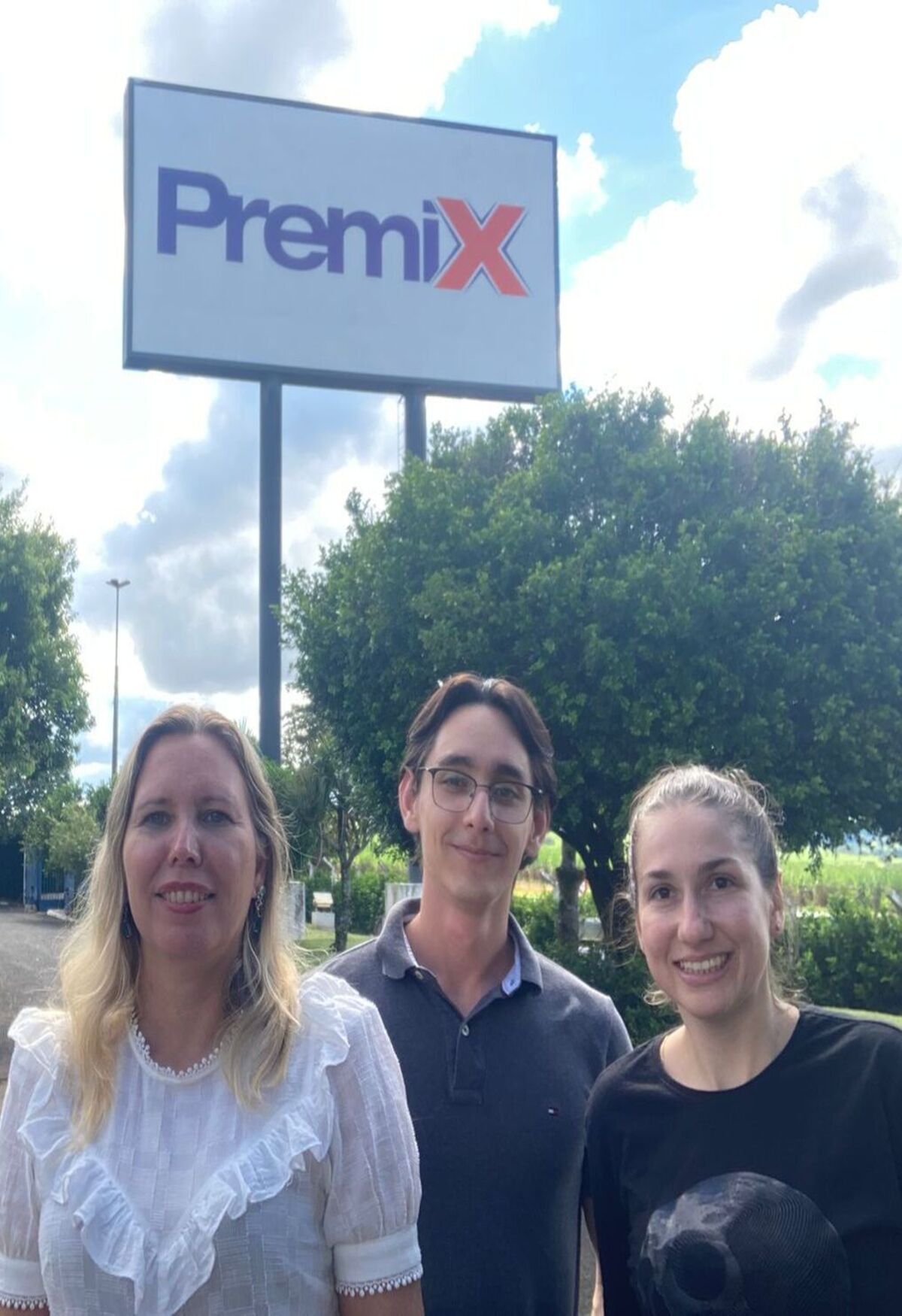
affect a wide variety of plants —, Unaerp received the Scientific Merit of the
State of São Paulo in 2000..JPG)
Photo 1: Unaerp received the Scientific Merit Award from the state of São Paulo
in 2000
SOFTWARE PATENTS AND REGISTRATION - In addition to research, the
University obtained patents and software registrations for products that seek to
solve problems associated with agribusiness. Among them, the use of the
chemical compound limonene — a by-product of the orange juice industry,
renewable and non-toxic — in additives to diesel, biodiesel or diesel-biodiesel
mixtures. According to the study carried out, this technology may, among other
contributions, lead to lesser start problems during cold weather.
In 2011, researchers from Unaerp developed a technology to reduce the
volume of vinasse — a liquid chemical compound generated from the industrial
transformation of sugarcane into alcohol — by taking advantage of the energy
potential of combustion gases from burning biomass. According to the
researchers, from this process two products are obtained that are highly
valuable for the sugar and alcohol sector: water vapor, which once condensed
can be reused in the industry or discarded as effluent; and the concentrated
vinasse itself (totally or partially), which is rich in minerals and also in ash and
soot collected from the combustion of biomass in the boiler, and can be used as
a biofertilizer..jpg)
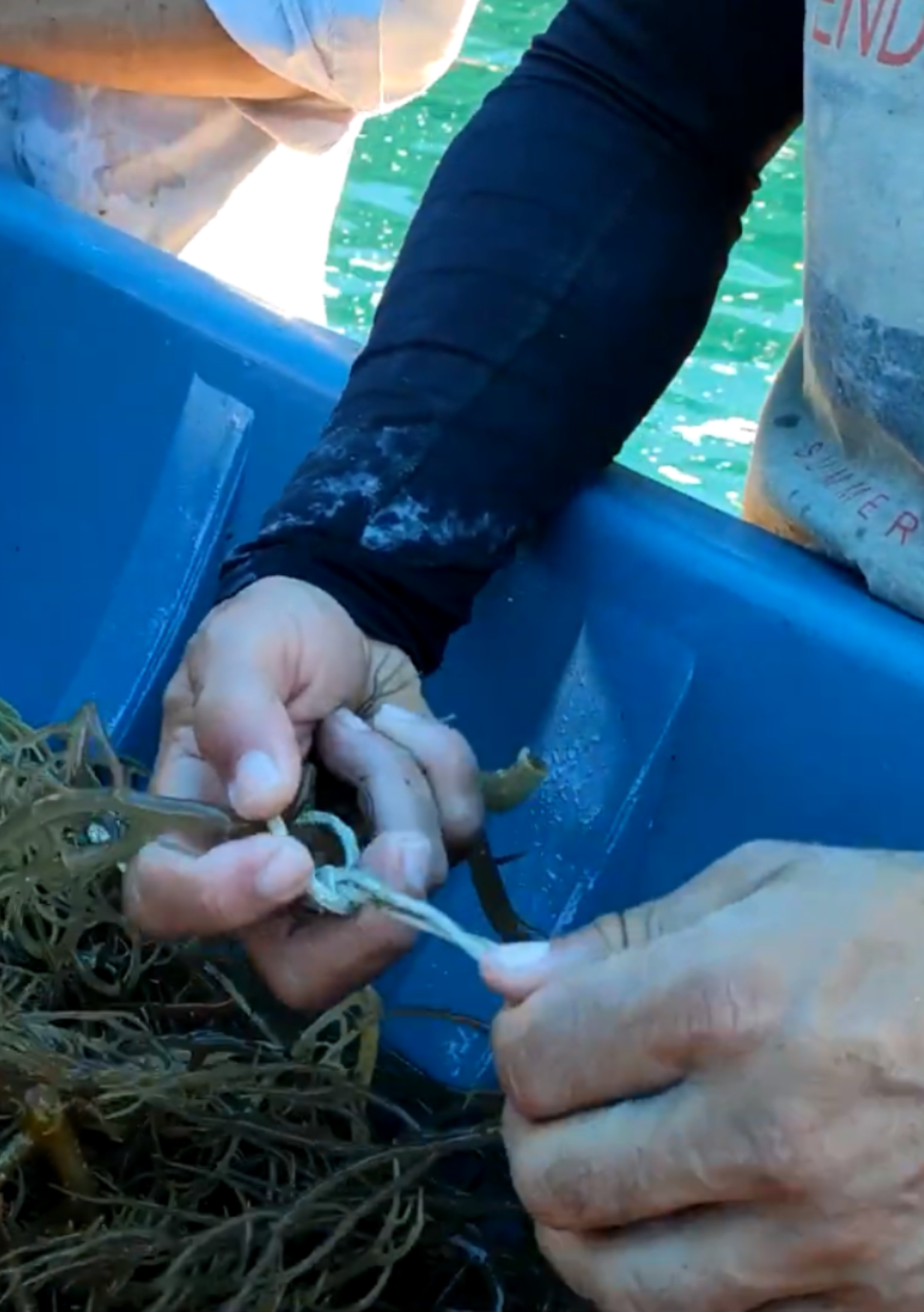
Photo 2: University provides high-level knowledge for the area, in response to
national and regional demands
In 2019, a group of students developed the Solid Waste Control System
(SISCORS), a computer program that seeks to establish performance indicators
that support the management of organizational projects focused on solid waste
management.
Thus, reaffirming its teaching excellence, Unaerp, through studies and
registration of patents and software aimed at the sector that plays a large role in
the Brazilian economy, provides high-level training and technologies for the
area, in response to national and regional demands. , contributing to production
efficiency in agribusiness..jpg)
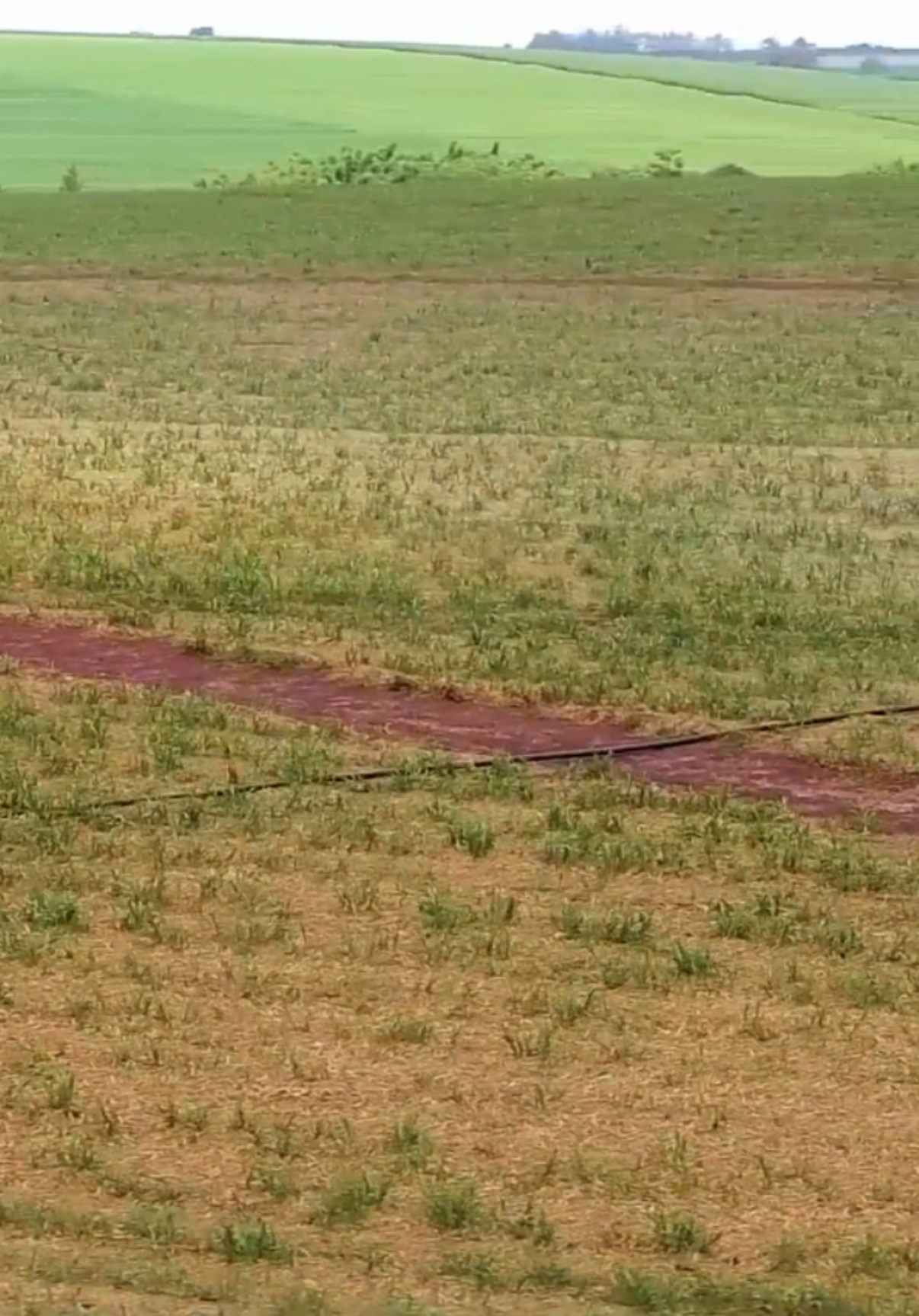
Foto 3: Software patents and registrations seek to solve problems associated
with agribusiness.