







Currently, the development of research with semiochemicals — secondary
substances produced by plants that can cause changes in nearby plants, such
as changes in growth, respiratory mechanism, photosynthesis and nutrient
absorption — for pest control are the focus of the Brazilian Agricultural
Research Corporation (Embrapa), an institution that is a national reference in
studies and development of technologies aimed at agribusiness.
Research aimed at the sector indicates that derivatives of alkylbenzoquinones –
a class of secondary organic compounds produced by plant species – act as an
aggregation and alarm pheromone, which signal food sources and danger
situations, respectively, which makes it possible to keep pests away from areas
of interest, contributing to the reduction of economic losses in agriculture.
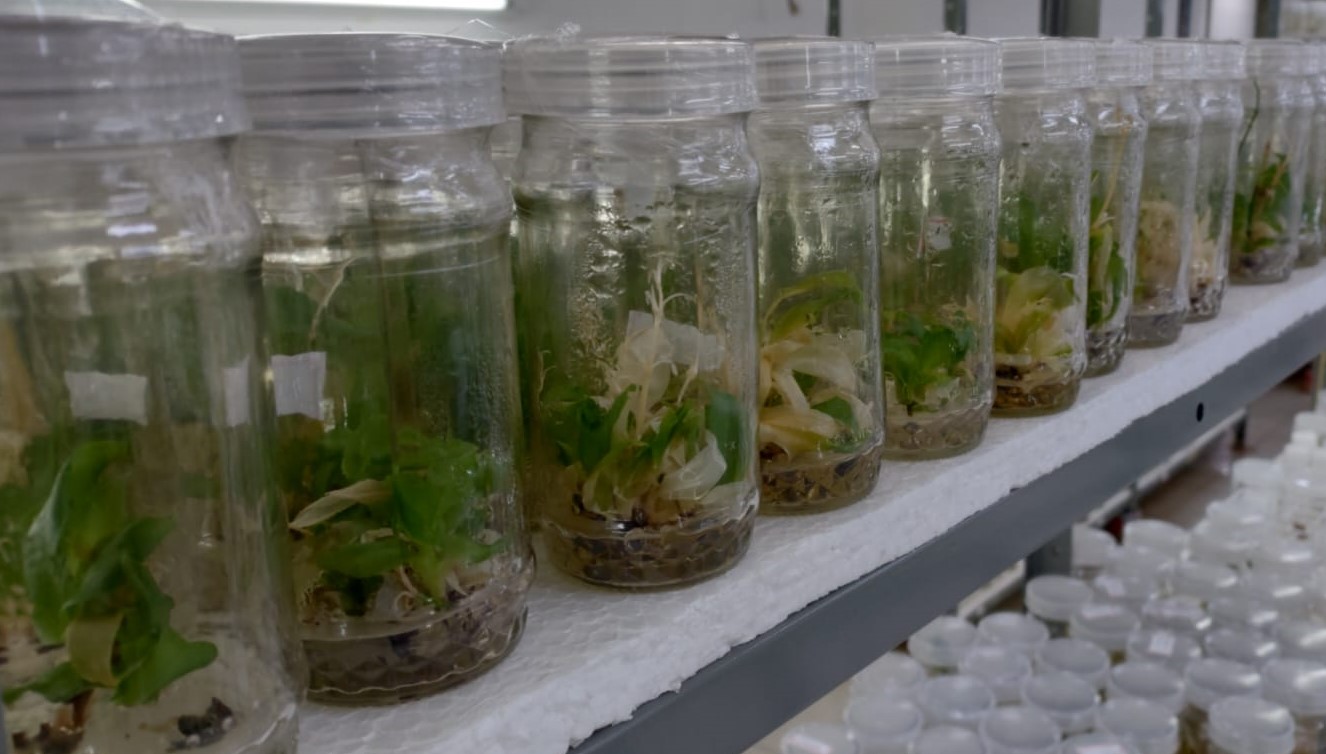
In this scenario, chemical studies carried out with the Myrsine leuconeura
species, at the Unaerp Biotechnology Unit, have resulted in the isolation,
purification and structural identification of alkylbenzoquinone derivatives and
their respective biological evaluation. The inner bark of the species used in the
evaluation was obtained at Fazenda Santa Maria, in Sacramento.
The study is part of the doctoral thesis of the Graduate Program in
Biotechnology, Adriana Patricia Laurenti Coelho, also a professor at the
University, with guidance of Professor Silvia Helena Taleb Contini, responsible
for the isolation and structural identification of molecules. Professors Ana Maria
Soares Pereira and Juliana da Silva Coppede also contribute to the
development of the research, responsible for supplying plant material and
biological activities, respectively.
In addition to the process of identifying benzoquinones, other analyzes were
carried out on the study material, such as in vitro antioxidant assays, using the
DPPH method, determination of the concentration of toxicity and the
antimicrobial and oxidant activities of the substance.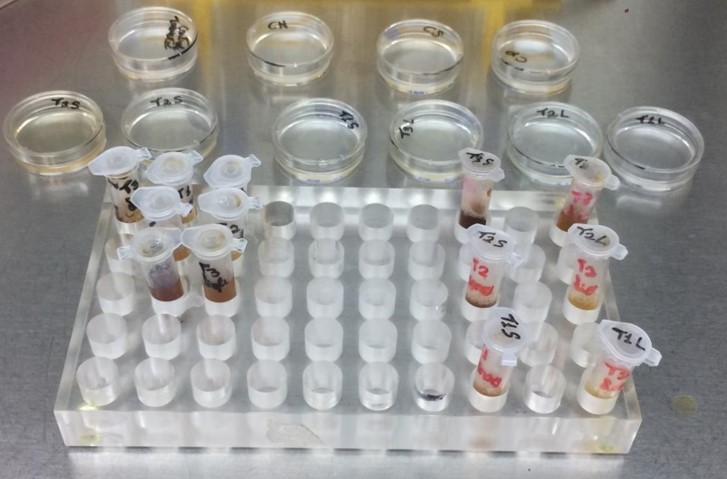
Photo 2: Chemical studies with the species Myrsine leuconeura are carried out
at the Biotechnology Unit
CHANGES IN PLANTS - Researcher Adriana Patricia Laurenti Coelho explains
that semiochemicals are capable of modifying behavior and causing effects in
plants, which can even happen through leaves that fall to the ground. “This is
produced by weeds, for example, but we can use these substances in favor of
crops, to preserve the growth of the plant of interest and make these
semiochemicals able to act on weeds”.
In the agribusiness context, the study can help in the identification of molecules
of the alkylbenzoquinone class, from plant sources, and boost the development
of new and more sustainable products aimed at application in agriculture,
contributing to the reduction of infestations and major impairments of the
planted area.
“We can study this substance that was isolated, from the Myrsine leuconeura
species, to control pests, in the planting of other species that may harm the
development of the plants of interest, in addition to controlling these weeds so
that they do not affect the plantation”, highlights Adriana.