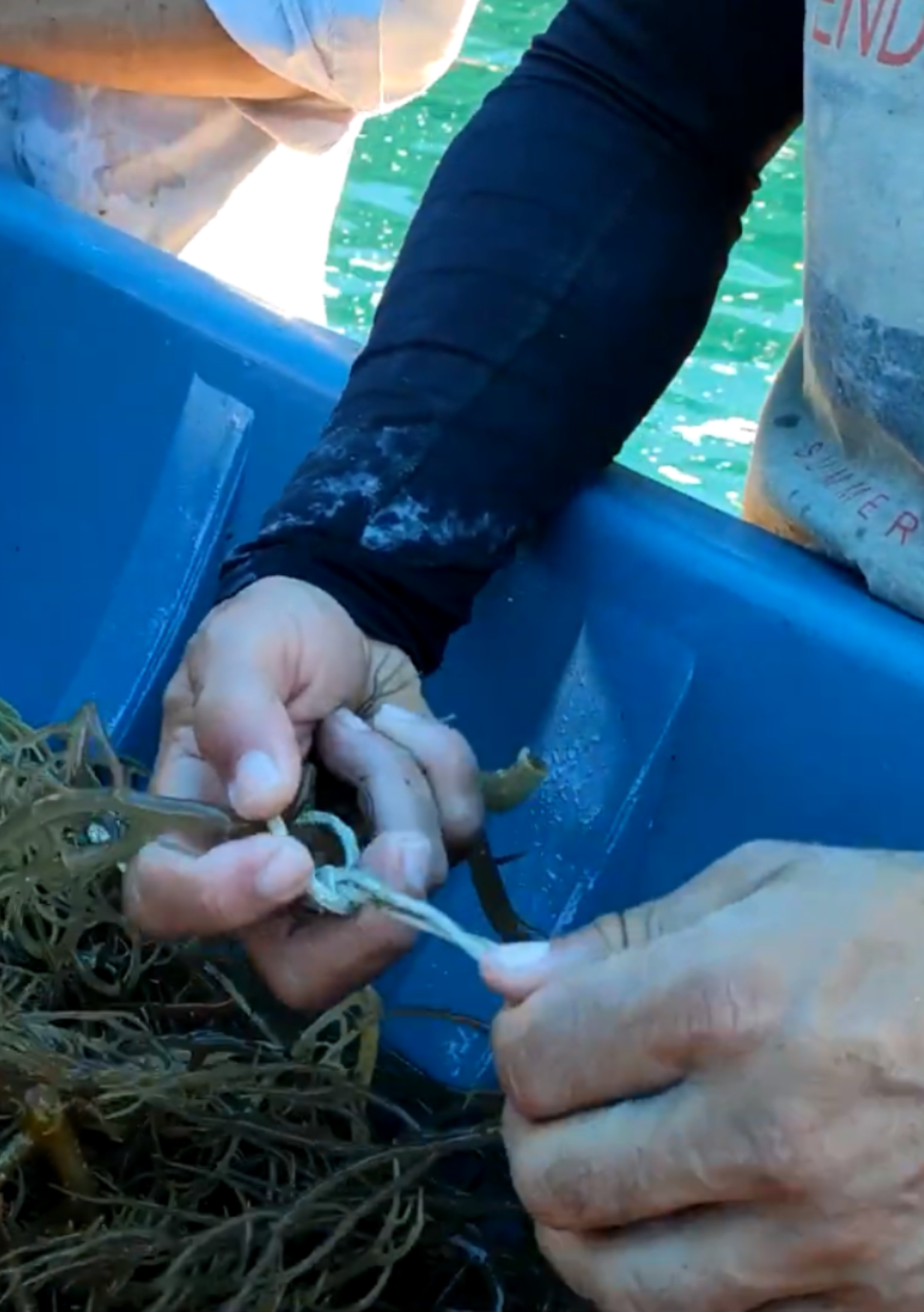








Native to the tropical region of the Indo-Pacific — which extends from India to
the coast of China — the marine macroalgae Kappaphycus alvarezii has
recently started to serve as a biostimulant in the agroindustry, acting as an
alternative to imported chemical fertilizers. In Brazil, macroalgae is cultivated in
different areas of the country and because of this, its extract can have different
chemical profiles, that is, different properties.
Juliano Kump Mathion, author of the research project of the Graduate Program
in Biotechnology at the University of Ribeirão Preto - Unaerp, "Chemical
composition and agronomic effect of the liquid extract of the marine macroalgae
Kappaphycus alvarezii (Rhodophyta, Gigartinales) from Brazilian marine farms",
explains that the standardization of the chemical composition of the extract is
essential for the quality and effectiveness of the extract as a biostimulant. “Due
to the great precision of the compositions and applications of the fertilizers used
in the national agroindustry, it is extremely important that we know exactly the
composition of the different extracts produced in Brazil, in addition to
understanding their possible variations that could be interesting for different
agricultural crops in the country”, explains Mathion.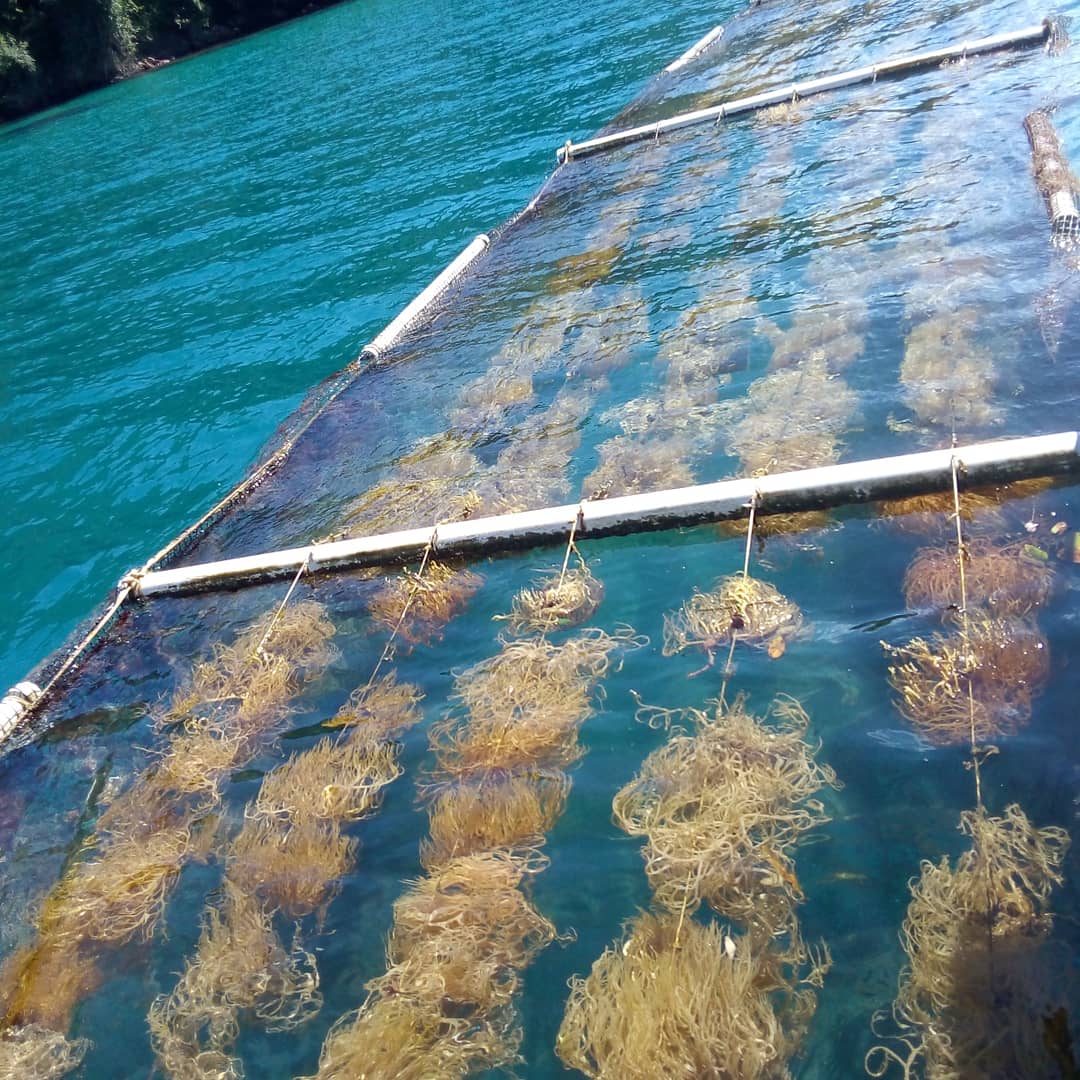
Photo 1: The seaweed Kappaphycus alvarezii is cultivated in different areas of
Brazil
Despite being in the early stages of research, Mathion's work may in the future
help in the development of accuracy agriculture by identifying the best region of
the country and period of the year for the extraction of biological material, as
well as the best harvesting method, and thus indicate the most appropriate way
to use the extract. In addition, according to professor and research advisor
Mozart Marins, coordinator of the Graduate Program in Biotechnology, the
study will make it possible to increase productivity, especially in soybean,
sugarcane, coffee and vegetable crops.
ENVIRONMENT - In addition to the more precise and economical use, the
biostimulant made from Kappaphycus alvarezii extract may represent a more
sustainable alternative that corroborates with the National Bioinputs Program —
under the responsibility of the Ministry of Agriculture, Livestock and Supply
(Mapa) — a program that encourages the development of technological
solutions to overcome dependence on imported inputs by the agricultural sector
with sustainable use of Brazilian biodiversity, in addition to working in line with
the sustainable development objectives of the United Nations (UN).
Marins also explains that “the cultivation of seaweed could have a highly
positive impact on the environment by capturing carbon from the atmosphere,
recovering marine biodiversity, generating jobs and income for coastal populations, in addition to contributing to the development of Brazilian agriculture.
Check out the article about the study produced by TV Unaerp 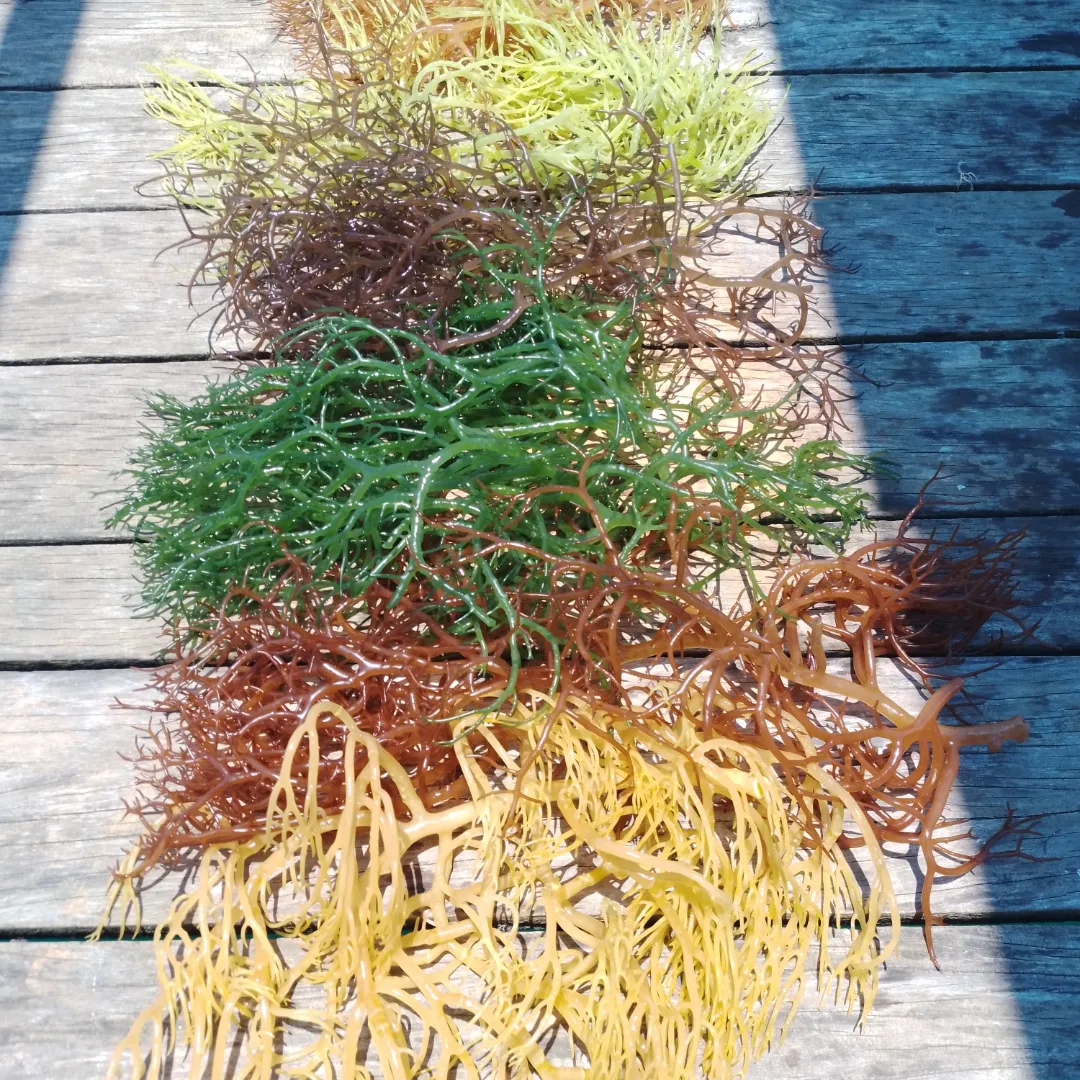
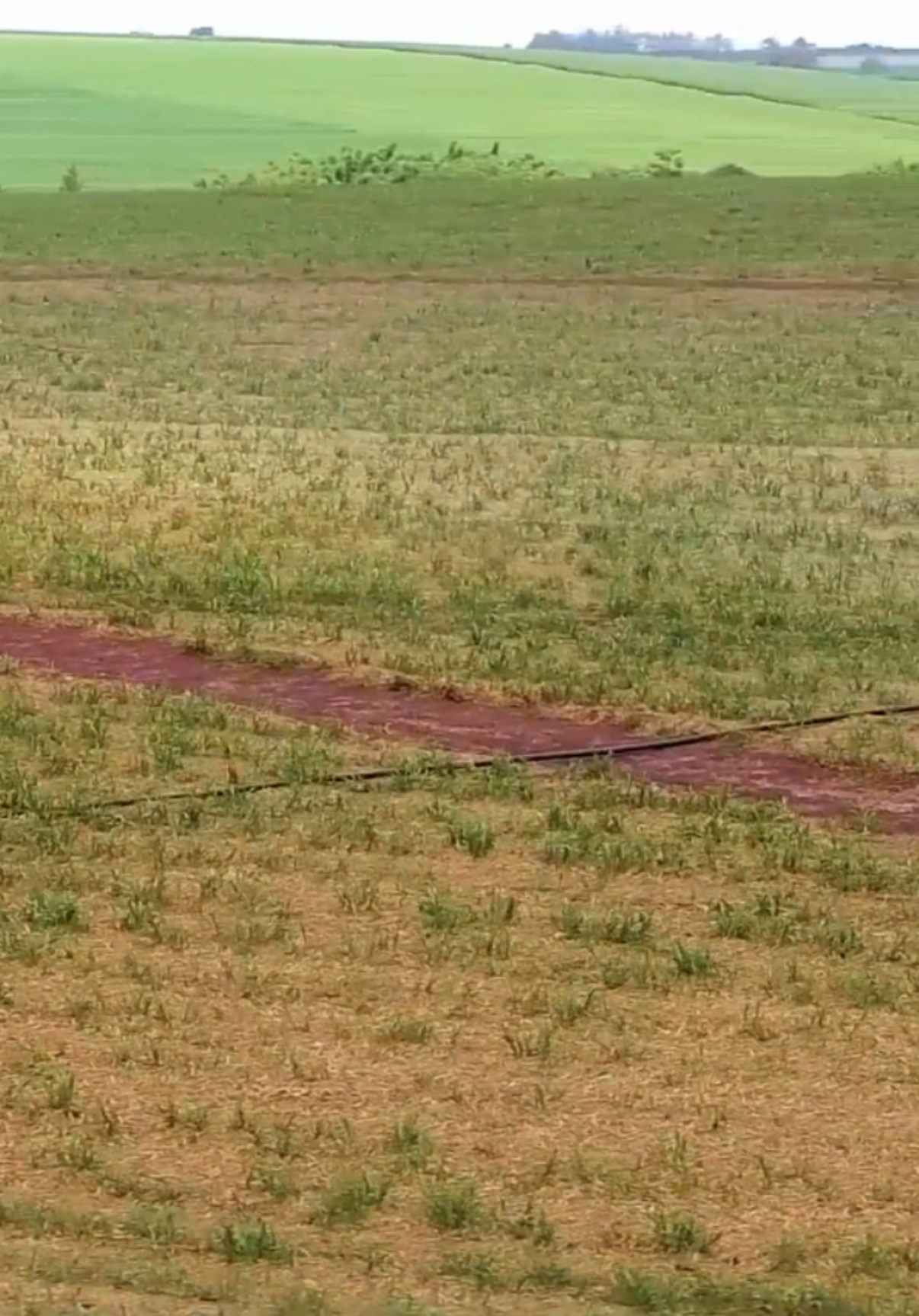
Photo 2: Study will enable increased productivity in soybean, sugarcane, coffee
and vegetable crops