







The production of grains, whether cereals or oilseeds, has great strength in
world food. Soy, corn, rice, beans, wheat and cotton are among the main grains
produced in Brazil, which takes fourth place in world production, behind only the
United States, China and India.
According to a survey released by CONAB (Companhia Nacional de
Abastecimento) and the Ministry of Agriculture, Livestock and Supply (Mapa),
grain production has increased by more than 600% in the last 46 years, without
expanding the planted area in large proportions, representing 161, 5%. This
scenario becomes a challenge for agribusiness, since, in response to world
population growth, the demand for food should increase by more than 50% over
the next 30 years, according to studies by the University of Wageningen.
Facing the need to increase food productivity and the great difficulty in
increasing the planted area on the same scale, studies aimed at the controlled
release of fertilizers are developed in the Graduate Program in Environmental
Technology at Unaerp, under the coordination of Professor Ricardo Bortoletto-
Saints.
In this context, materials are made and studied for coating the surface of
different nutrients, using biodegradable and low-cost materials, mainly derived
from vegetable oils, such as castor oil, and matrices of starch or cassava, for
example. In this way, technologies and materials are developed that allow to
have this control and adjust the fertilizer release, from the synchronization with
the demand of the plant, seeking an improvement in the distribution of nutrients
and the consequent reduction of losses.
The commercial fertilizers that we have today, mainly the granulated ones,
have high solubility, making the nutrient quickly available to the plant when
applied to the soil, but the plant does not absorb it all at once. For example,
urea can have half of what was applied lost and in the case of phosphorus,
depending on some fertilizers, this loss can reach up to 80%. It is, in fact, a very
high loss of what could be used by the plant”, explains Bortoletto-Santos.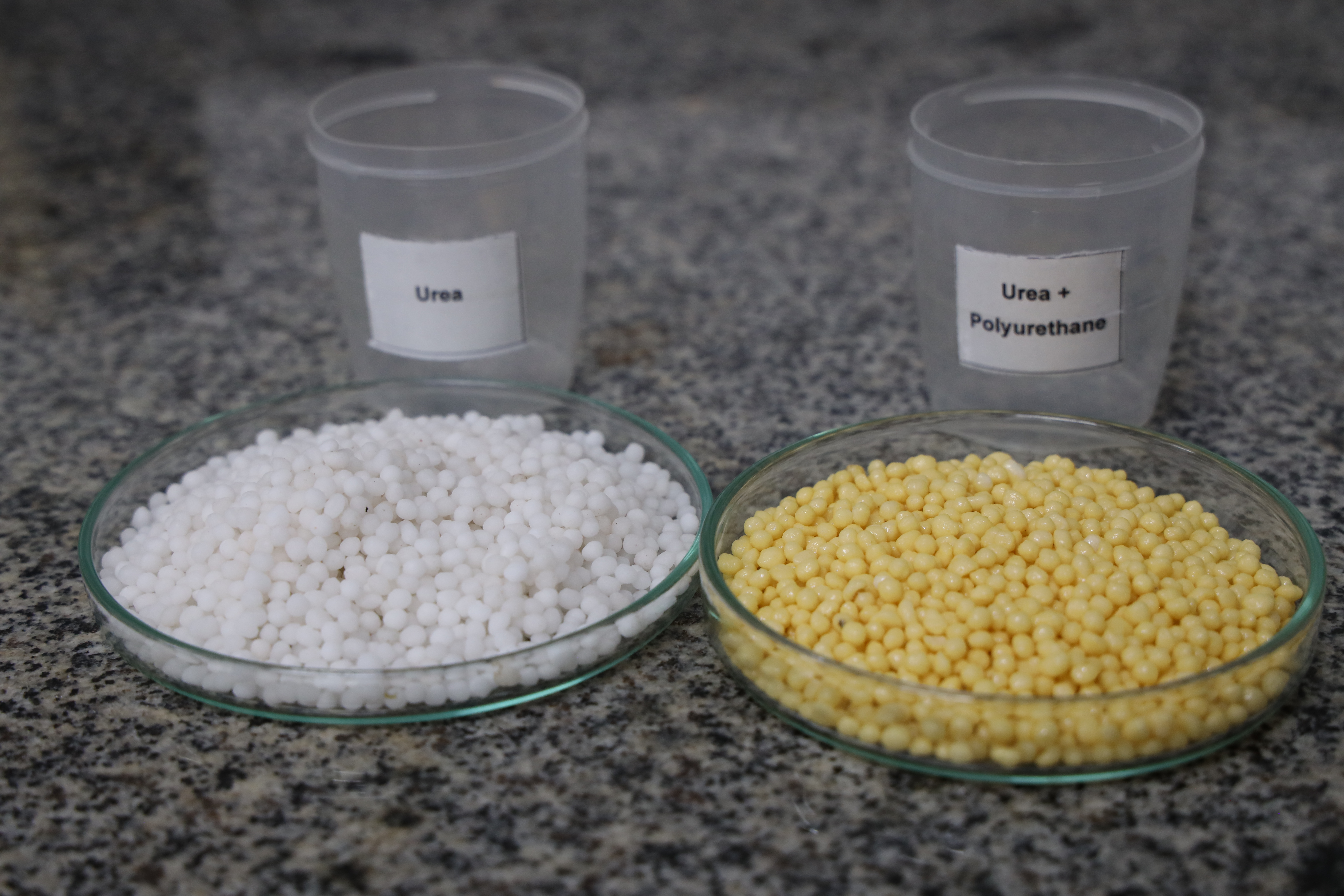
Photo 1: Biodegradable materials are used as a coating on the surface of
fertilizers
USE IN SEEDS - The materials used in controlled release also allow the
addition of other components, such as clays and even some microorganisms,
such as fungi or beneficial bacteria for the plant. “Today, one of the
microorganisms that is being well explored, at an industrial and research level,
are microorganisms for the biocontrol part. You have a pest or something like
that, and instead of using an agricultural defensive, a chemical agent, we end
up doing this mediation and control using a microorganism”, says the
researcher.
Furthermore, the coating used on the surface is not limited to application in
fertilizers, it can also be used in seeds, according to Bortoletto-Santos.
The technology helps reduce costs in agriculture and contributes to the
environment, as it introduces a biodegradable agent into the soil. "The agro is
looking for performance, because it has to maintain or increase productivity, so
if the producer wants to increase performance and still reduce costs, it is not
easy. The keyword here is new materials that adjust to this type of need. These
materials are not necessarily more expensive and have a natural base, which is
another appeal", highlights the coordinator of the Graduate Program in
Environmental Technology, professor Murilo Daniel de Mello Innocentini.
PARTNERSHIPS IN THE SECTOR - The research work is carried out in
cooperation with Embrapa (Brazilian Agricultural Research Corporation), a
national reference in research, development and innovation for the sustainability
of agriculture, and institutions such as the University of São Paulo (USP), the
Federal University of São Carlos (UfSCar) and São Paulo State University
(Unesp). The Graduate Program also has partnerships with foreign universities
and with the United States Department of Agriculture (USDA).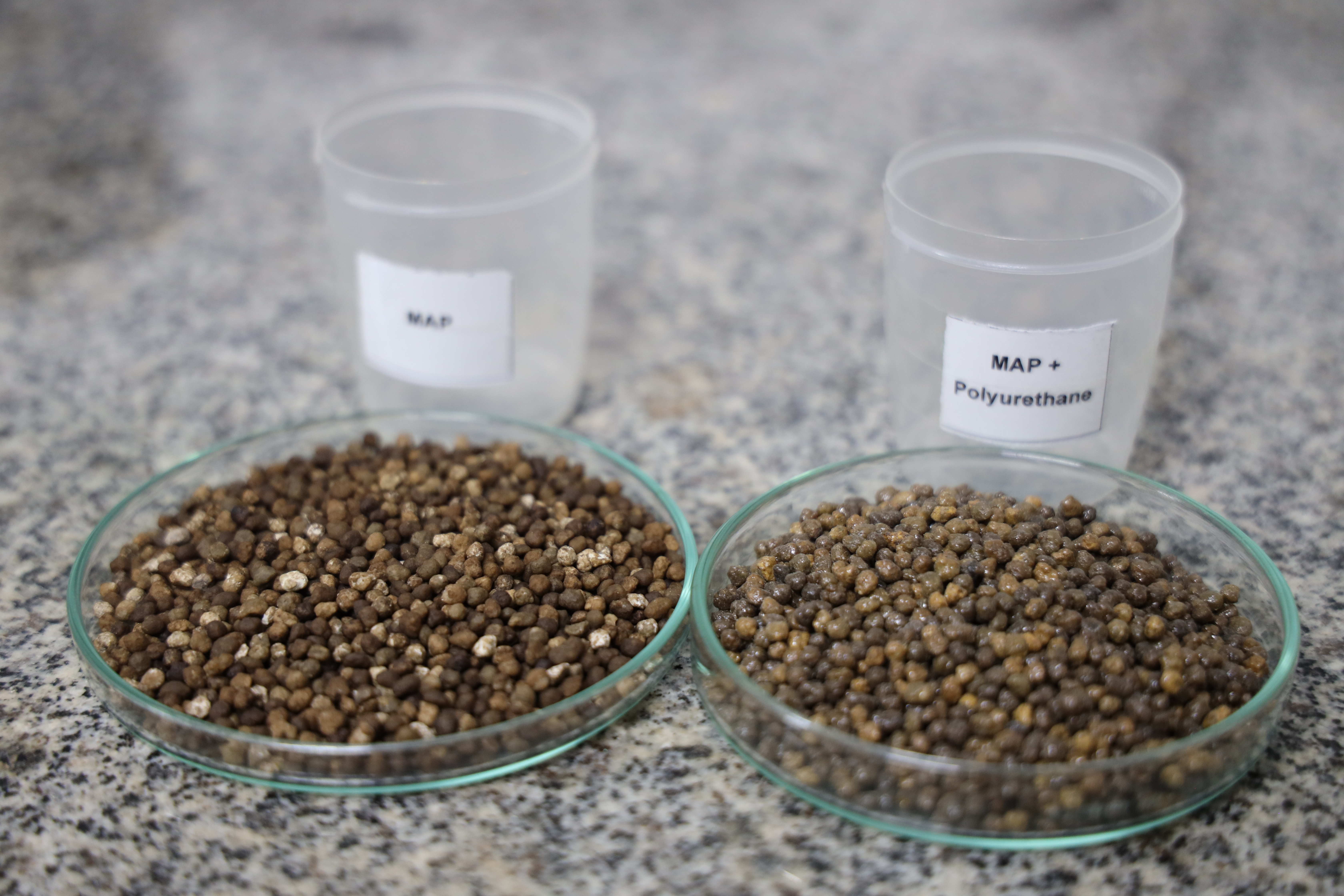
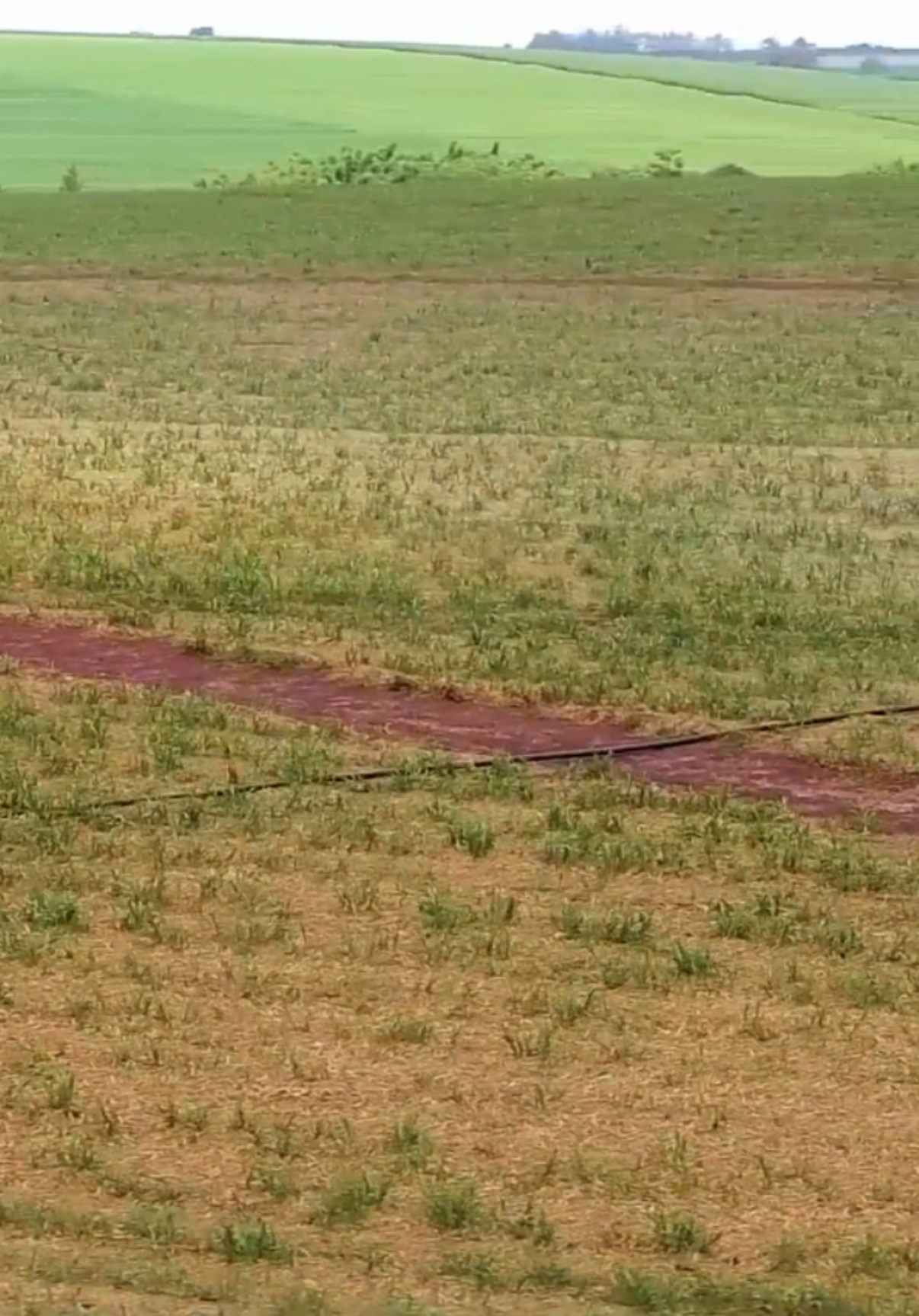
Photo 2: Fertilizer release is made from synchronization with plant demand.